
Sophia Learning Intro to Stats Answers
Pay/Hire Us to do Sophia Learning Intro Stats!
Sophia Learning Introduction to Statistics Help – Guaranteed Pass
Sophia’s Introduction to Statistics looks approachable on paper. It’s self-paced, ACE-recommended for 3 semester hours, and doesn’t require a webcam. In practice, it moves fast from descriptive statistics into probability and then into hypothesis testing, and there’s no instructor to ask when a concept doesn’t click.
If you’re stuck on Unit 3’s probability rules, staring down Unit 5’s t-tests and ANOVA, or just need the course finished, Finish My Math Class can take it from wherever you are to done. Weighing Statistics against Sophia Calculus for your degree requirement? Both are demanding in different ways. Curious how this course actually breaks down first? Keep reading below for the real unit-by-unit structure, or see our broader statistics help page for other platforms.
Need Sophia Statistics Finished?
We guarantee a passing score under our money-back guarantee. All 20 Challenges and 6 Milestones handled, fast turnaround, real subject-matter help. Get a Free Quote
Table of Contents
Why This Course Is Challenging
The course is graded pass/fail: 20 Challenges plus 6 Milestones (five unit Milestones and a Final Milestone), with an overall score of 70% or better required to pass. That structure creates a few specific pressure points. For a deeper unit-by-unit difficulty breakdown, see our full Sophia Statistics difficulty guide.
What We Do for You
Finish My Math Class handles Sophia Introduction to Statistics end to end, or picks up wherever you currently are in the course.
Every Challenge across all five units completed, so you clear the 70% threshold with room to spare and unlock each unit’s Milestone without delay.
The five unit Milestones plus the Final Milestone, including the Unit 5 hypothesis-testing Milestone that trips up the most students.
Sampling and study design, distributions and the 68-95-99.7 rule, probability rules, correlation versus causation, and hypothesis testing with Z-tests, t-tests, ANOVA, and chi-square.
Most engagements wrap up in about a week, well ahead of the multi-week pace many students take working through it solo.
Course Structure & Topics Covered
Here’s the actual unit breakdown from Sophia’s published syllabus, current as of the course’s most recent effective date (October 2024–present).
Total workload: 20 Challenges across 5 units, plus 6 Milestones (5 unit Milestones and the Final Milestone), worth 581 total points. You need a 70% overall average to pass. It’s a pass/fail course, so there’s no letter grade on the transcript, just complete or not complete.
Which Test Do I Actually Use?
Unit 5 is where most students lose points, and it is almost never because the arithmetic is wrong. It is because the wrong test got picked. Here is the decision logic Sophia is actually testing:

Sophia’s grading is strict on this: get the right numeric answer with the wrong test name and the problem is marked wrong. Confirming the test type before you calculate anything saves more points on this Milestone than double-checking your arithmetic.
Looking at That Workload and Feeling It?
Twenty Challenges and six Milestones is a lot to carry alone, especially once Unit 5’s hypothesis testing shows up. We can pick up the whole course or just what’s left. Get a Free Quote
How Our Service Works
What Completion Actually Looks Like
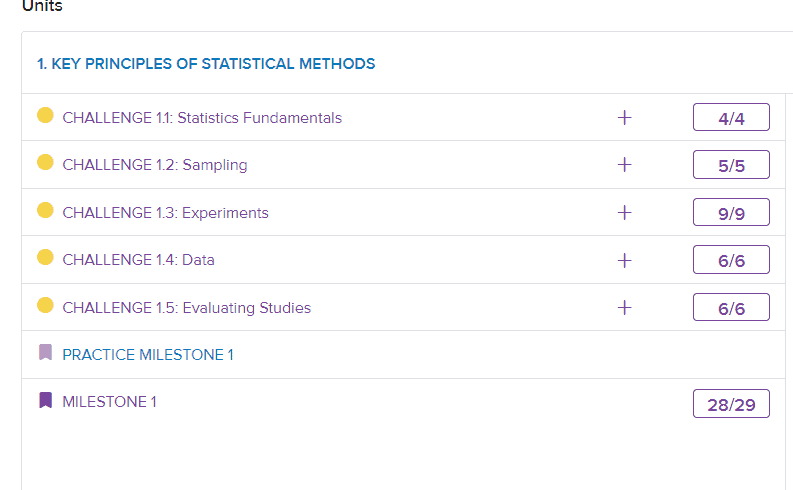
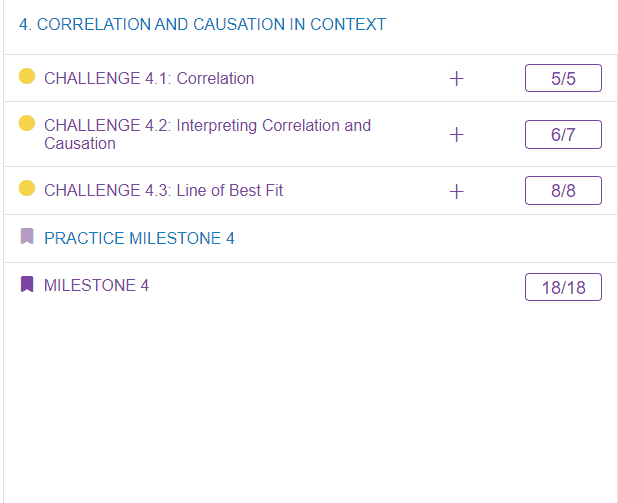
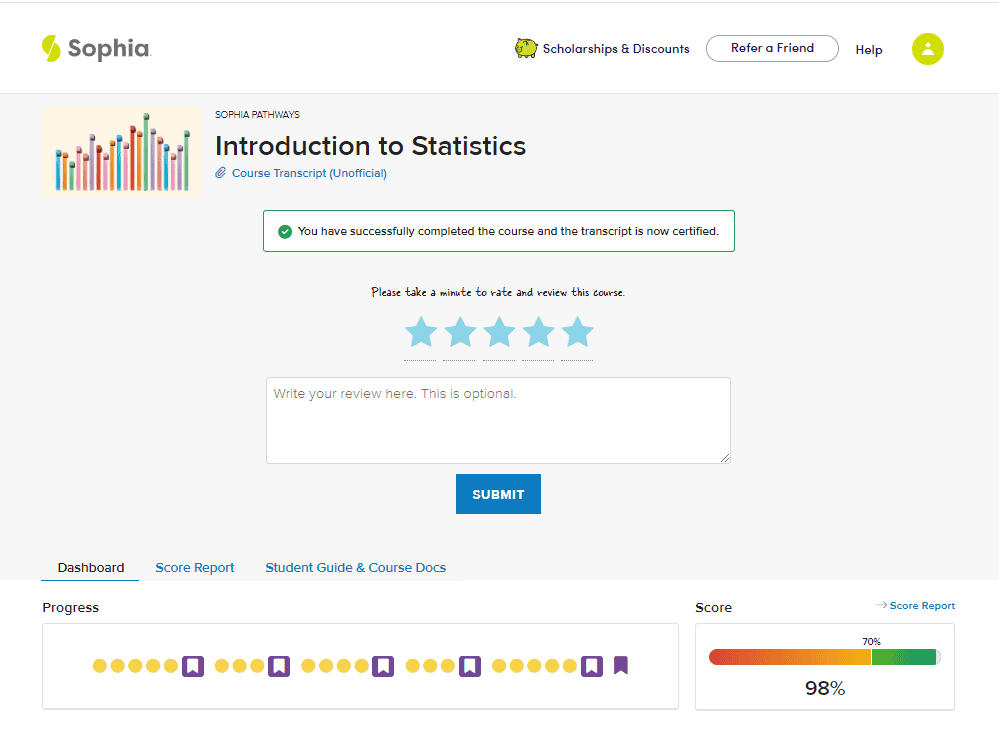
Not a mockup, not a stock screenshot. These are real completions from Sophia’s own courseroom.
Completion Timeline: DIY vs. Professional Help
Since the course is self-paced with no hard deadline from Sophia itself, the real cost of doing it alone is usually time, not risk of running out of a term. If you’re working full-time or already behind on other coursework, that time adds up fast. See which Sophia courses are easiest to knock out yourself while we handle Statistics.
Pricing & Our Guarantee
How Much Does It Cost?
Pricing depends on:
- How much of the course is left, starting from Challenge 1.1 costs more than picking up at Unit 4
- Your timeline, standard turnaround versus a rush request
- Whether any Milestones have already been attempted and need to be retaken
Contact us for a free, customized quote based on exactly where you are in the course.
Our Pass Guarantee
Sophia grades this course pass or fail, so we guarantee what the platform actually measures:
- If you don’t pass your Sophia Introduction to Statistics course, you get a full refund, no questions asked
- If you’re unhappy with the service, we’ll make it right or refund your money
Learn more: Our Grade Guarantee Details
Why Choose Finish My Math Class
Five units, 20 Challenges, 6 Milestones, hypothesis testing across four different test types. No guesswork about what’s actually on the Milestones.
Statistics problems on Sophia depend on picking the right test and reading context correctly, work that goes better with a person than an automated tool.
Since Sophia doesn’t issue letter grades, our guarantee is a passing score, exactly what your transcript will actually show.
About a week for a full course completion, versus a much longer runway doing it solo around work or other classes.
Ready to Finish Sophia Statistics with a Guaranteed Pass?
Stop stalling on probability, hypothesis testing, or the Final Milestone
Frequently Asked Questions
Can you complete my entire Sophia Introduction to Statistics course?
Yes. We complete all 20 Challenges and all 6 Milestones, including the Final Milestone, and work toward the 70% overall score you need to pass. Whether you’re starting from Challenge 1.1 or need help finishing the last unit, we can take over at any point.
Does Sophia give letter grades on this course?
No. Introduction to Statistics is graded pass or fail. You need an overall score of 70% or better across your Challenges and Milestones to pass and earn your 3.0 semester credits. There is no A, B, or C on your Sophia transcript, just complete or not complete.
How much does it cost to have FMMC complete Sophia Statistics?
Pricing depends on how much of the course is left, your timeline, and whether you’re starting fresh or picking up mid-course. Contact us for a free, customized quote.
Do you guarantee I’ll pass?
Yes. We guarantee a passing score on your Sophia Introduction to Statistics course or you get your money back. Since Sophia grades this course pass or fail rather than with letter grades, our guarantee is built around what the platform actually measures: hitting that 70% threshold.
Is Sophia Introduction to Statistics hard?
It’s one of the more demanding Sophia math courses because it moves from descriptive statistics into probability and then into hypothesis testing with Z-tests, t-tests, ANOVA, and chi-square tests in the final unit. Students without a strong probability background tend to slow down significantly in Unit 3 and Unit 5.
How long does Sophia Statistics take?
It’s self-paced, so timelines vary a lot by student. Comfortable students often finish in a few weeks of steady work; students juggling a full course load or a job can stretch it out much longer since Sophia places no time limit on completion. With our help, we typically complete the remaining coursework in about a week.
Can I get help with just the hardest units?
Yes. A lot of students handle Units 1 through 4 on their own and only need help once Unit 5 (hypothesis testing with Z-tests, t-tests, ANOVA, and chi-square) gets overwhelming. We offer partial completion for specific units, Milestones, or just the Final Milestone. Contact us to scope it out.
Does Sophia Statistics transfer to colleges?
Introduction to Statistics is ACE-recommended for 3 semester hours and transfers to a wide range of partner schools. Transfer policy is set by your individual school though, so always confirm with your registrar or academic advisor before relying on the credit.
Additional Resources
Sophia Statistics Difficulty Guide | Our Grade Guarantee | All Services | Hardest Sophia Courses | Easiest Sophia Courses | All Sophia Help | General Statistics Help
There are many reasons why students need help with their coursework. In any case, it is never too late to ask for help. So, what are you waiting for? Let’s connect!